Services / Multimodal
When one mode of transport is not the best answer, we combine air, sea, road and rail into a single routing, with one team and one point of contact.

Overview
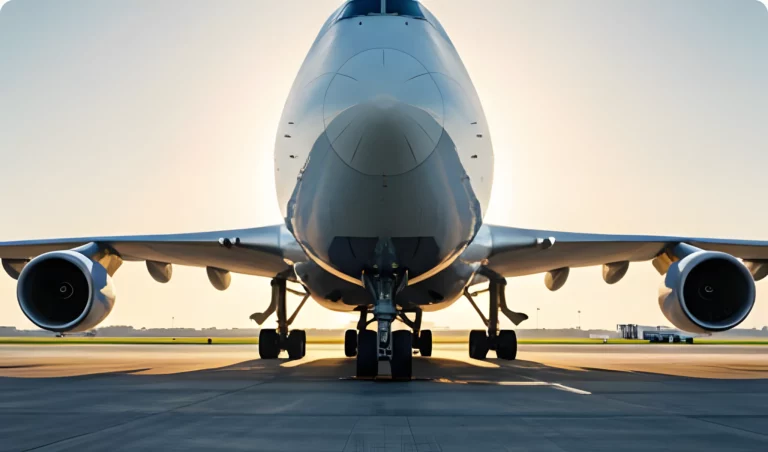
Air is fast but expensive. Sea is economical but slow. A multimodal routing uses each mode where it makes the most sense, for example sea freight to a hub and air freight for the last leg, to balance time, cost and reliability.
It is also how we keep cargo moving when a route is disrupted or capacity is short in peak season. You deal with ATLS from start to finish; we manage the hand-overs between carriers.
Air, sea, road and rail combined
One booking, one point of contact
Routings built for time and cost
Alternatives during disruption
Customs handled at each border
Service options
Sea freight to a transhipment hub, then air freight to destination. Faster than sea alone, cheaper than air all the way.
Between air and sea on cost
Shorter transit than sea
Single shipment file
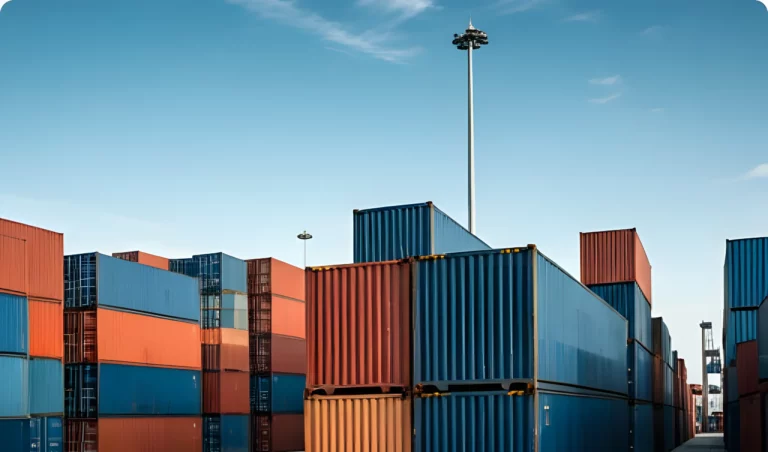
Trucks and ferry or Ro-Ro crossings between Tunisia and southern Europe, for trailers and goods that need door-to-door continuity.
Trailer and truck loads
Door-to-door continuity
Regular crossings to Europe
Air freight into a major airport, then road delivery to the final address, including inland and cross-border destinations.
Fast main leg
Inland delivery by truck
One transit document flow
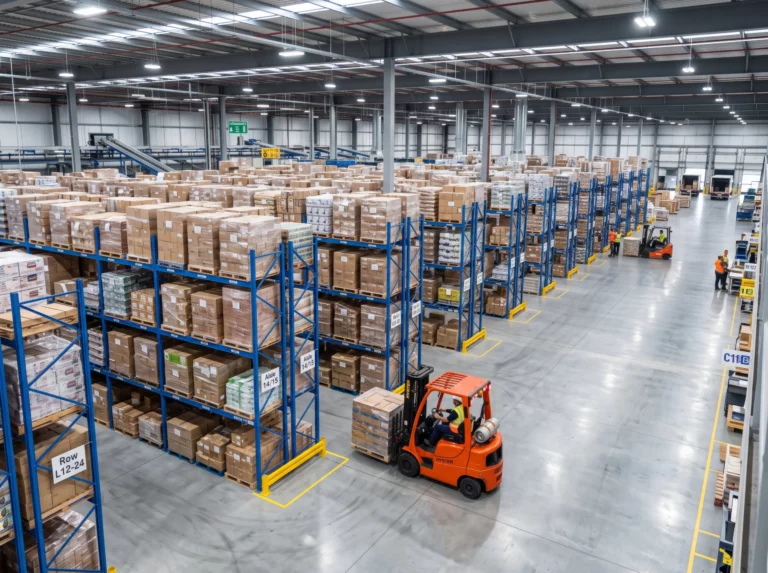
We combine air or rail with RoRo transport with complementary freight solutions to optimize transit times, control costs and reduce environmental impact. From FCL and LCL shipments to cross-border movements, we coordinate routing, documentation and customs formalities to deliver flexible, reliable solutions tailored to your cargo and destination.
Rail Freight Corridors
RoRo Solutions
Integrated Logistics
Use cases
Multimodal is not a product in itself. It is the answer to a specific problem. These are the situations where our customers use it most.
When air capacity is short, part of the route moves to sea or road.
A closed route or port is replaced by another combination of modes.
Sea-air cuts the cost of air freight while keeping transit acceptable.
Goods that land at a port or airport but are needed far inland.
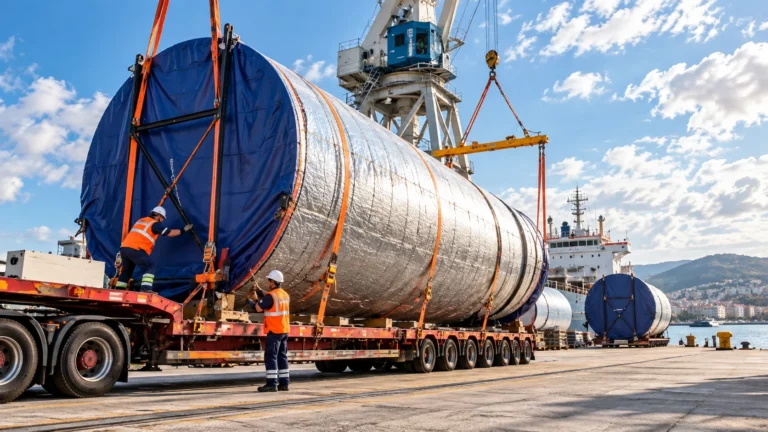
Heavy components by sea, urgent parts by air, all on one plan.
More of the distance by sea or rail, less by air, where the timeline allows.
How it works
01
Deadline, budget, cargo type and any limits at origin or destination.
02
We compare combinations and show you the time and cost of each.
03
We book every leg and prepare the documents for each carrier and border.
04
We follow each transfer between modes, so you get one update instead of several.
FAQ
Usually, yes. Moving part of the journey by sea or road lowers the cost. The trade-off is a longer transit time, which we show you before you decide.
ATLS manages the shipment from start to finish. You have one contact, and we coordinate each hand-over between carriers.
Yes. Give us the deadline, the cargo details and your budget, and we propose the combinations that work.
Our team prepares the documents for each border crossing, so the cargo does not stop for missing paperwork.
Related